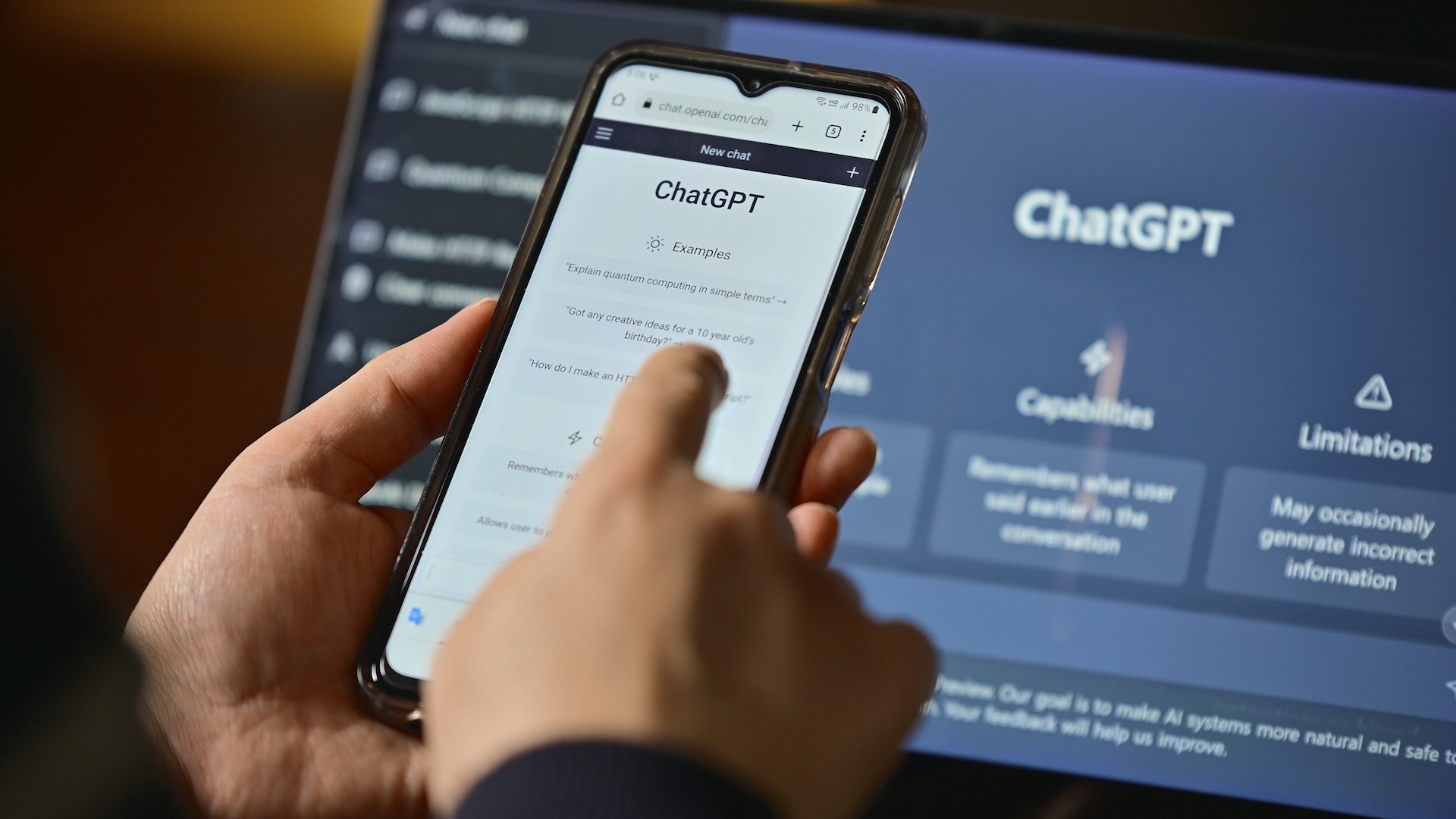
AI assistants like ChatGPT, Gemini, and Claude are becoming the new way customers discover where to eat. Every day, millions of diners ask:
- “Where should I eat tonight?”
- “Best tacos near me?”
- “What’s a good brunch spot in Miami?”
If your restaurant doesn’t show up in these answers, you’re losing potential customers without realizing it.
Before diving into the full guide, here are the Key Takeaways:
Key takeaways
- AI assistants now influence restaurant discovery as much as Google Maps and word of mouth.
- To appear in AI recommendations, your restaurant needs clean, structured, and consistent data across your website, Google Business Profile, menu, and reviews.
- Your website is the #1 factor AI models use—HTML menus, schema, and clear descriptions dramatically increase visibility.
- AI tools analyze sentiment and keywords in customer reviews, so improving review quality affects AI recommendations.
- Publishing content (blogs, dish stories, FAQs) builds topical authority, making AI more likely to cite or recommend you.
- Tools like the RAY Grader help you audit how AI assistants currently describe your restaurant and identify missing information to fix.
- Restaurants that optimize for AI now will gain a long-term competitive advantage as AI search becomes mainstream.
Why AI Recommendations Matter
AI is becoming the new decision layer for diners:
1. 67% of consumers say they’ve asked an AI tool for restaurant suggestions in the past year

2. 1 in 3 diners trust AI recommendations as much as Google Maps or friends
Key finding:

3. ChatGPT analyzes websites & Google Business Profile

Google Search Generative Experience (SGE) Overview
Google AI uses this data for AI-assisted search uses:
- Google Business Profile data
- Reviews
- Website content
- Menu data
- Structured data (schema)
Perplexity AI – Transparency Report
Perplexity explicitly cites:
- Websites
- Google Business Profiles
- Local reviews
- Online menus and public data
as sources for local recommendations.
The 5 Signals AI Uses to Recommend Restaurants
AI assistants don’t rank restaurants the way Google does. Instead, they synthesize recommendations using trust signals:
1. Your Website (Structure + Content Quality)
AI tools scan your website for:
- A clear description of who you are
- Cuisine type and signature dishes
- Your full menu in HTML (not PDF)
- Location, hours, phone
- Ordering and reservation links
- High-quality photos
- Clean, accessible code
If your website is slow, confusing, or missing fields, AI models downgrade trust.
2. Google Business Profile (GBP)
AI assistants treat your GBP like your official identity

They extract:
- Category (“Mexican Restaurant,” “Pizza,” “Brunch”)
- Description
- Attributes (delivery, vegetarian options, outdoor seating…)
- Reviews and review sentiment
- Popular dishes
- Menu and ordering links
3. Online Reviews (Across All Platforms)
AI doesn’t just look at star ratings—it analyzes:
- Sentiment
- Topics customers mention repeatedly
- Dish names
- Patterns (slow service, strong cocktails, great brunch)
A few negative themes repeated often will hurt your chances of being recommended.
4. Menu Data
AI assistants love structured, readable menu information.
Your menu should include:
- Clear dish names
- Sensory descriptions
- Dietary tags
- Signature dish labels
- Cuisine identifiers

5. External Signals
AI also checks:
- Local publications or press mentions
- Blog posts on your site
- Recipe or dish stories
- Social media profiles
- Consistency across platforms
If the internet hardly talks about you, AI has fewer reasons to mention you.
How to Optimize Your Restaurant for ChatGPT and Other AI Assistants
Below is the full checklist to increase your chances of being recommended.
1. Build a Website AI Assistants Can Understand
Add a clear “About the Restaurant” paragraph.
Example:
“Temple Burger is a craft burger restaurant in Wynwood specializing in smash burgers, milkshakes, and late-night service. Guests love the Double Smash, Truffle Fries, and Oreo Milkshake.”
This gives models context and keywords.
Publish your menu in clean HTML.
Avoid PDFs. Include:
- Dish name
- Description
- Price
- Tags (spicy, vegan, signature dish, popular item)
Add schema markup (Restaurant + Menu).
This is a major AI visibility boost.
Schema should include:
- Opening hours
- Cuisine
- Address
- Price range
- Menu items
- Ordering links

RAY Websites include this automatically.
2. Optimize Your Google Business Profile
Ensure every field is filled:
- Primary category + secondary
- Description including cuisine + neighborhood
- Menu URL
- Direct ordering URL
- Reservation URL
- Attributes (delivery, parking, good for lunch, vegetarian options)
- 20–50 professional photos
Update GBP weekly to signal freshness.
3. Improve Review Quality to Influence AI Understanding
AI models analyze review sentiment and topics.
You can guide this by asking customers to mention:
- The dish they tried
- What stood out
- The experience
- Service or atmosphere
Example request:
“If you loved your visit, tell us which dish you ordered! It helps future guests and AI tools discover us.”
This shapes the narrative AI uses.
4. Make Your Menu AI-Friendly
Add sensory language and context.
Bad
Chicken Sandwich – Chicken, lettuce, tomato.
AI-Optimized
Spicy Crispy Chicken Sandwich
Crispy fried chicken breast, chipotle mayo, pickles, brioche bun.
🔥 Our most popular lunch item.

AI models love:
- Descriptive words
- Flavor notes
- Popularity signals
- Dietary tags
5. Publish Content AI can cite
AI assistants often reference articles and blog posts.
You can boost topical authority by writing:
- “The Story Behind Our Famous Ribs”
- “Why Wynwood Loves Smash Burgers”
- “Best Brunch Dishes in Palermo (According to Our Guests)”
This content helps AI tools understand:
- Your cuisine category
- Your specialties
- Your position in the local scene
6. Add Location Pages
Each location needs its own optimized page with:
- Neighborhood description
- Ways to get there
- Photos
- Popular items at that location
- Local promotions
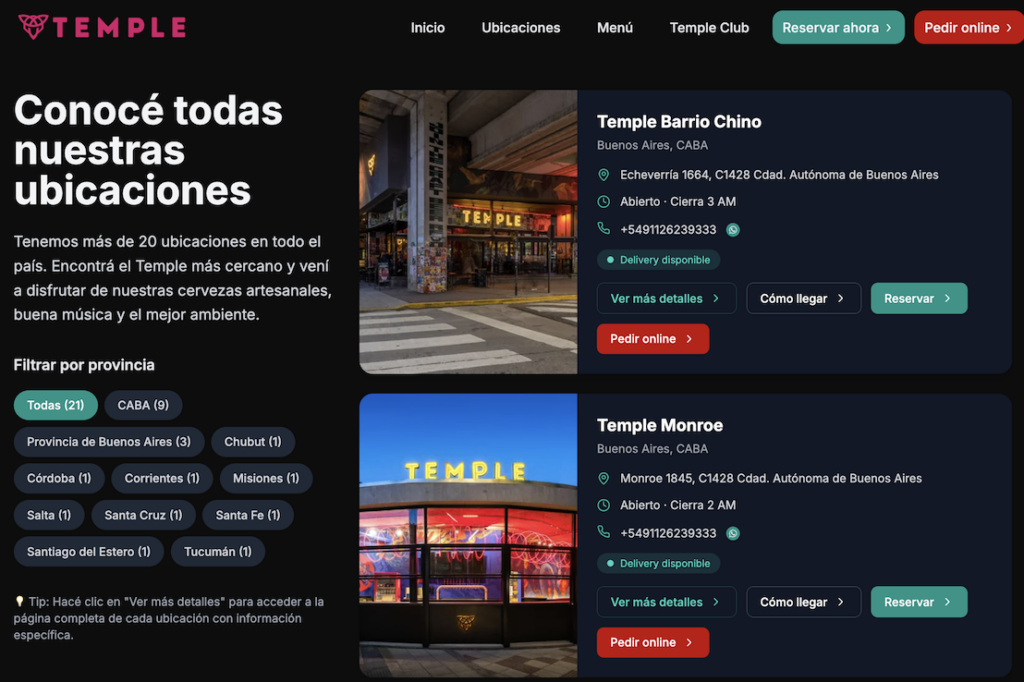
AI loves hyper-local relevance.
7. Ensure Consistent Data Everywhere
Your:
- Name
- Address
- Hours
- Description
- Menu links
- Ordering links

…must match across all platforms.
Inconsistent data = AI confusion = fewer recommendations.
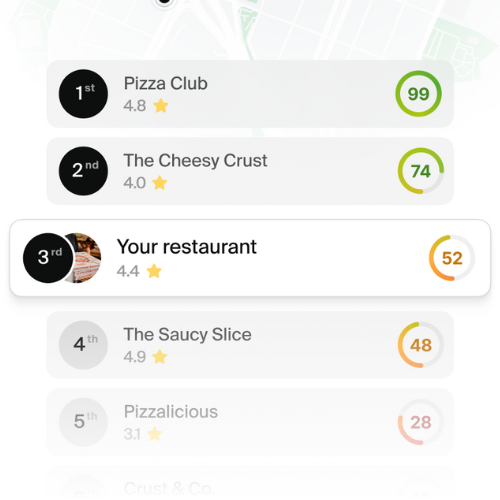
8. Use AI Search Tools to Audit Your Visibility
Tools like the RAY Grader show:
- How ChatGPT describes your restaurant today
- Missing or inaccurate information
- Competitors appearing instead of you
- Optimization opportunities
- Your AI visibility score
See how your restaurant’s website stacks up against local competitors
Scan your restaurant
Conclusion: AI Is the New Menu Board — Make It Work for You
Restaurant discovery is shifting fast.
Customers will soon rely on AI assistants as much as they rely on Google.
If you want ChatGPT (and all AI models) to recommend your restaurant, you need:
- A clean, structured website
- A perfectly optimized Google Business Profile
- AI-friendly menu descriptions
- High-quality reviews
- Consistent data everywhere
- Fresh content that builds authority
- A way to measure how AI sees your brand
Restaurants that adapt now will dominate this new discovery channel.
